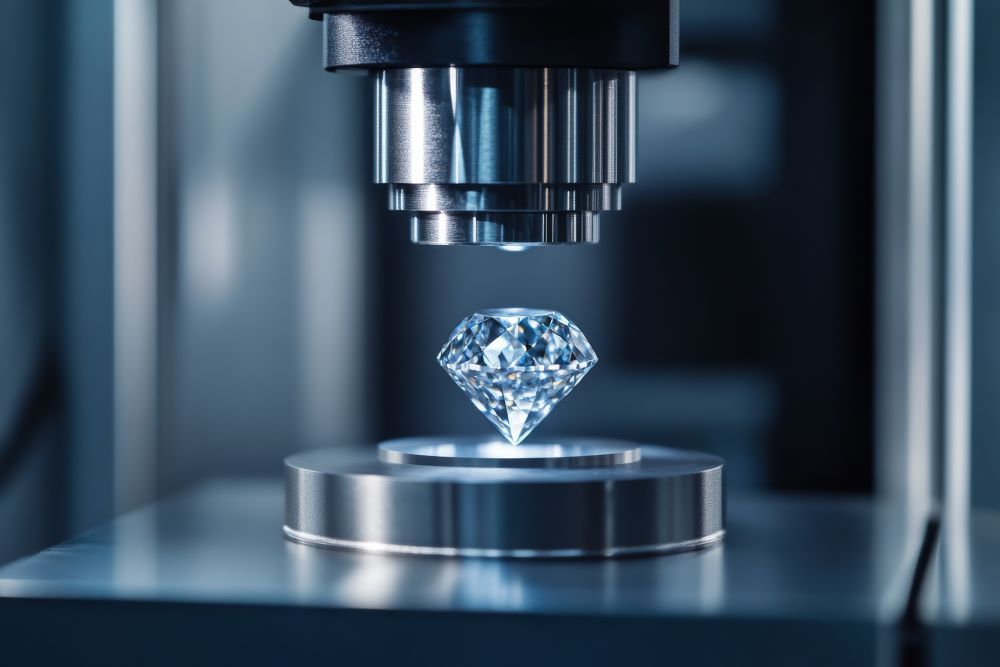
Lab-grown gemstones like sapphires, emeralds, rubies, and spinels have emerged as a sustainable and ethical alternative to mined gemstones, offering the same beauty and durability as their natural counterparts. These precious stones are real gemstones in every sense, possessing identical physical, chemical, and optical properties to those formed in nature.
The Reality of Lab-Grown Gemstones
Lab-grown sapphires, emeralds, rubies, and spinels are not imitations or synthetic materials - they are genuine gemstones created in controlled laboratory environments. These gems have the same chemical composition as natural gemstones. For instance, both natural and lab-grown rubies consist of aluminum oxide (Al2O3) with traces of chromium that give them their characteristic red color, while spinels are composed of magnesium aluminate (MgAl2O4).
Durability and Quality
Lab-created gemstones are just as durable as their mined counterparts. Sapphires, rubies, and spinels, whether natural or lab-grown, have a hardness of 8 to 9 on the Mohs scale, making them extremely resistant to scratches and wear. Emeralds are slightly softer with a hardness of 7.5 to 8, but still durable enough for everyday wear. This durability ensures that lab-grown gemstones can withstand daily use and maintain their beauty for years to come.
In terms of quality, lab-grown gemstones often surpass natural ones. Since they are created in controlled environments, lab-grown gems typically have fewer imperfections and can be produced with desired attributes such as specific colors or clarity levels. This controlled process allows for the creation of high-quality gemstones that are often more visually appealing than their natural counterparts.
The Colorful World of Corundum and Spinel
Corundum, which includes sapphires and rubies, can occur in a wide range of colors due to the presence of trace elements that substitute for aluminum in its crystal structure. Here are some of the key color-causing "impurities" in corundum:
• Red (Ruby): Chromium (Cr3+) is the primary cause of the red color in rubies.
• Blue (Sapphire): Iron (Fe2+) and titanium (Ti4+) together produce the blue color in sapphires.
• Yellow: Iron (Fe3+) is responsible for yellow coloration in some sapphires.
• Green: Iron (Fe2+) can create green colors.
• Pink: Chromium (Cr3+) in lower concentrations than in rubies produces pink sapphires.
• Purple: A combination of chromium (Cr3+) and iron (Fe2+/Fe3+) can create purple hues.
• Orange: A mixture of chromium (Cr3+) and iron (Fe3+) produces orange colors, including the rare padparadscha sapphires.
Spinels, on the other hand, offer their own array of vibrant colors. While red spinels are often the most sought-after, these gemstones can be found in various hues including blue, pink, purple, and even color-change varieties.
The Black Prince's Ruby: A Spinel in Disguise
One of the most famous "rubies" in the world isn't a ruby at all – it's actually a red spinel. The Black Prince's Ruby, which adorns the Imperial State Crown in the British Crown Jewels, is a 170-carat red spinel with a fascinating history.
This magnificent gem has passed through the hands of Moorish and Spanish royalty before finding its way to England. It even played a role in saving King Henry V's life during the Battle of Agincourt in 1415, when it adorned his helmet and deflected a blow from a French battleaxe.
For centuries, red spinels were often mistaken for rubies due to their similar appearance and occurrence in the same mines. It wasn't until 1783 that the distinction between rubies and red spinels was officially recognized. This revelation led to the discovery that many famous "rubies" in royal collections around the world were actually spinels.
Sustainability and Ethical Considerations
Lab-grown gemstones offer a solution to many ethical concerns associated with the mining industry. Traditional gemstone mining has been linked to issues such as worker exploitation, unsafe working conditions, and even funding of conflicts in certain regions.
By choosing lab-grown gemstones, consumers can avoid supporting potentially unethical mining practices. These gems are produced in controlled laboratory environments, eliminating concerns about worker exploitation or unsafe mining conditions. This ethical advantage has made lab-grown gemstones increasingly popular among socially conscious consumers.
Moreover, the production of lab-grown gems requires significantly fewer resources and produces less waste, making them a more environmentally sustainable option. However, it's important to note that the process still requires substantial energy, and consumers interested in the most sustainable options should look for lab-grown gemstones produced using renewable energy sources, like our gemstones are.
Conclusion
Lab-grown sapphires, emeralds, rubies, and spinels represent a significant advancement in the gemstone industry. These gems offer the same beauty, durability, and preciousness as natural gemstones while addressing important sustainability and ethical concerns. As technology continues to improve and consumer awareness grows, lab-grown gemstones are likely to play an increasingly important role in the future of jewelry and gemstone markets.
By choosing lab-grown gemstones, consumers can enjoy the allure of precious stones while making a choice that aligns with values of sustainability and ethical consumption. Whether you're drawn to the deep red of a ruby, the vibrant blue of a sapphire, the lush green of an emerald, or the diverse palette of spinels, lab-grown gemstones offer a beautiful and responsible choice for jewelry lovers and collectors alike.